
























The Professional’s Guide to Choosing a Hydraulic Torque Wrench for Tight Spaces
July 7, 2026
Summary
- Torque multipliers are specialized tools that amplify rotational force, making high-torque fastening safe, accurate, and achievable without excessive physical effort.
- Torque multiplier use cases include heavy-duty equipment maintenance, automotive repair, and industrial assembly.
- TorqLite’s torque multipliers are engineered to deliver consistent, precise results in the most demanding applications.
Table of Contents
- What are Torque Multipliers?
- Why are Torque Wrench Multipliers Important?
- What are the Different Types of Torque Multiplier Wrenches?
- How Do You Choose the Right Torque Multiplier Wrenches?
- How Do You Use Torque Wrench Multipliers?
- How Do You Maintain a Torque Multiplier?
- Why Choose TorqLite for Your Torque Multiplier Needs?
- Frequently Asked Questions
What are Torque Multipliers?
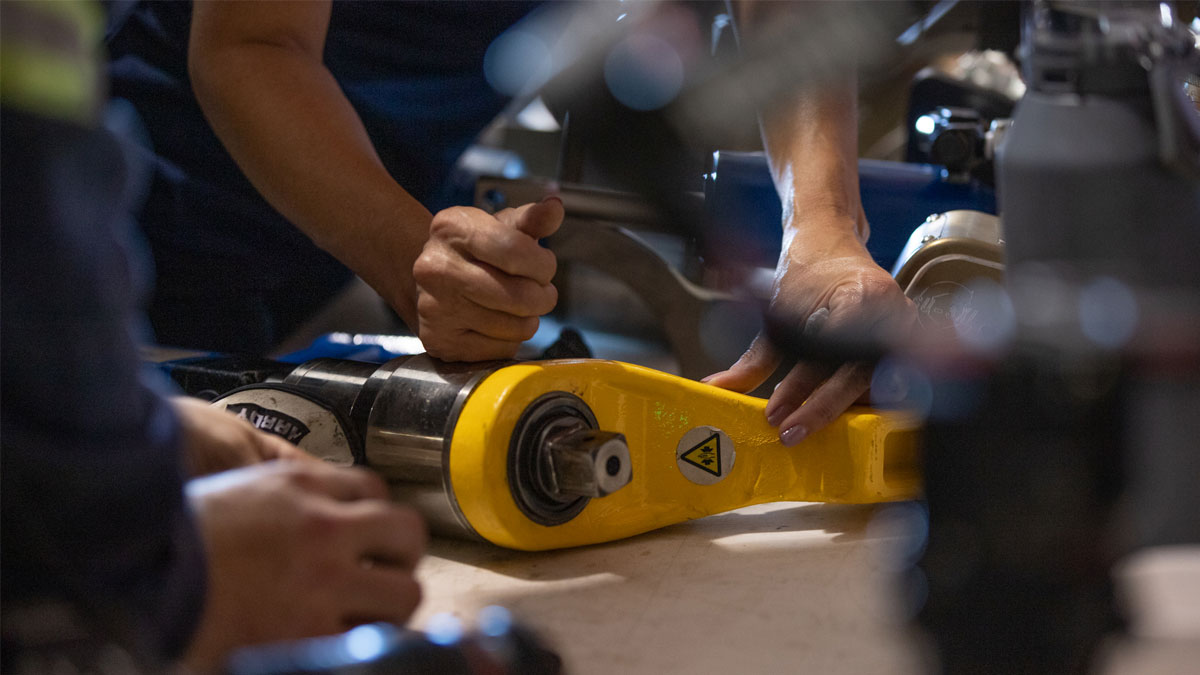
Torque multipliers are specialized tools that amplify the rotational force applied to a fastener, enabling technicians to reach high torque specifications without exerting excessive physical effort.
They work by taking a lower input force and converting it into a much greater output force via an internal gear system, making them essential for fastening tasks that a standard torque wrench cannot handle.
Torque multipliers use cases include heavy-duty applications such as automotive repair, heavy equipment maintenance, construction, aerospace, and oil and gas industries.
Why are Torque Wrench Multipliers Important?
TorqLite’s torque wrench multipliers make high-torque fastening safe, accurate, and achievable for a single operator. Without them, meeting the exact torque specifications required in demanding industries would be difficult, inconsistent, and potentially dangerous.
Here is why they matter on the job:
- Safety on the worksite: Applying too little torque can cause bolts to loosen and equipment to fail, while too much can strip threads or crack components. Torque multipliers give operators the control to avoid both extremes.
- Precision and consistency: Torque multipliers enable technicians to consistently meet fastener specifications, reducing human error.
- Reduced physical strain: High-torque jobs that would otherwise require excessive manual force become manageable, protecting operators from long-term fatigue and injury.
- Operational efficiency: Jobs can be completed faster and with greater confidence compared to manual methods, keeping operations on schedule.
- Compliance with industry standards: Many industries require fasteners to be tightened to specific torque values. Torque multipliers help teams meet and document these requirements.
What are the Different Types of Torque Multiplier Wrenches?
There are three main types of torque wrench multipliers, each suited for different working environments and applications.
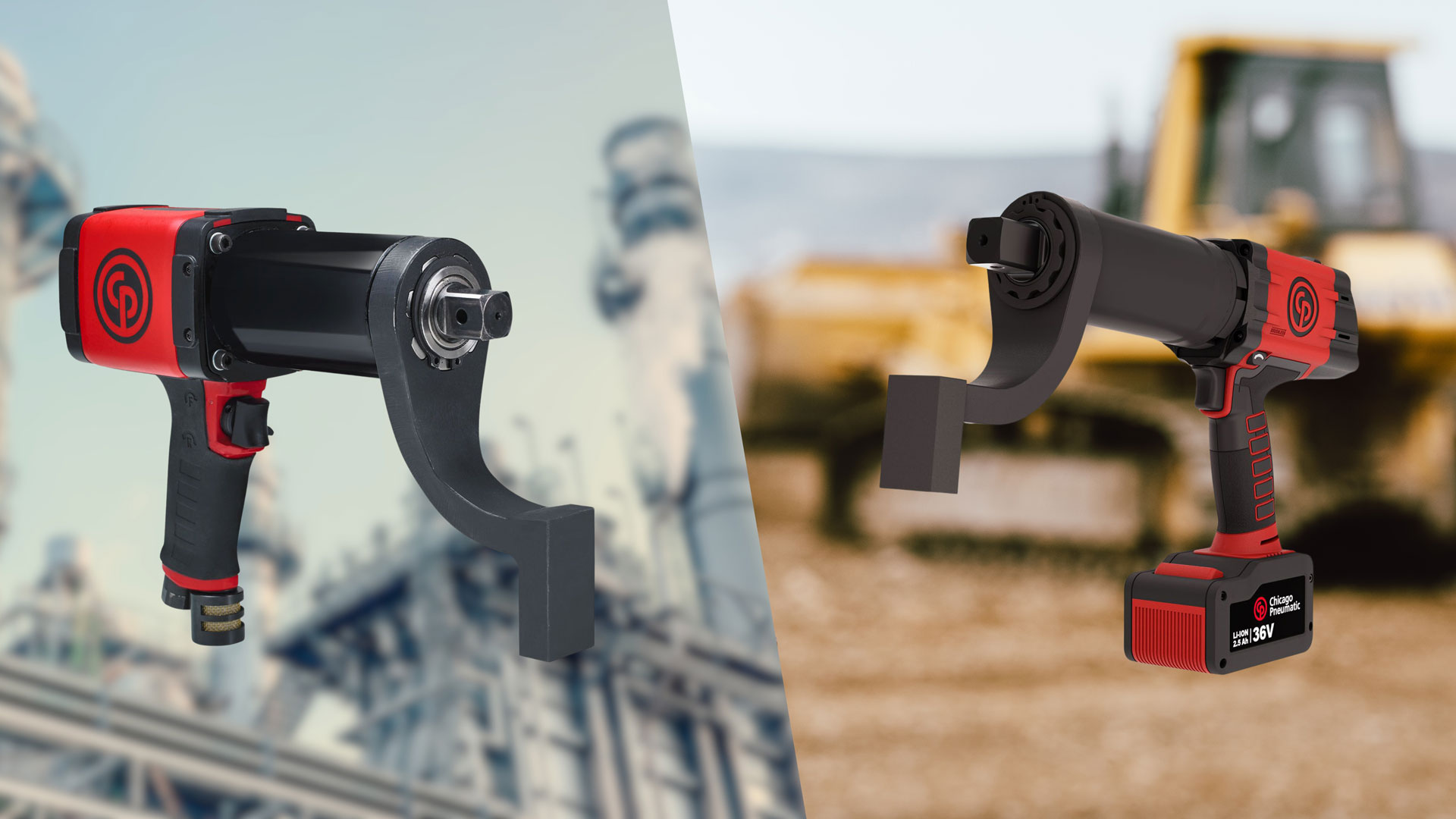
| Type | Power Source | Best For |
| Manual | User input force | Fieldwork, remote locations |
| Pneumatic | Compressed air | Industrial and automotive shops |
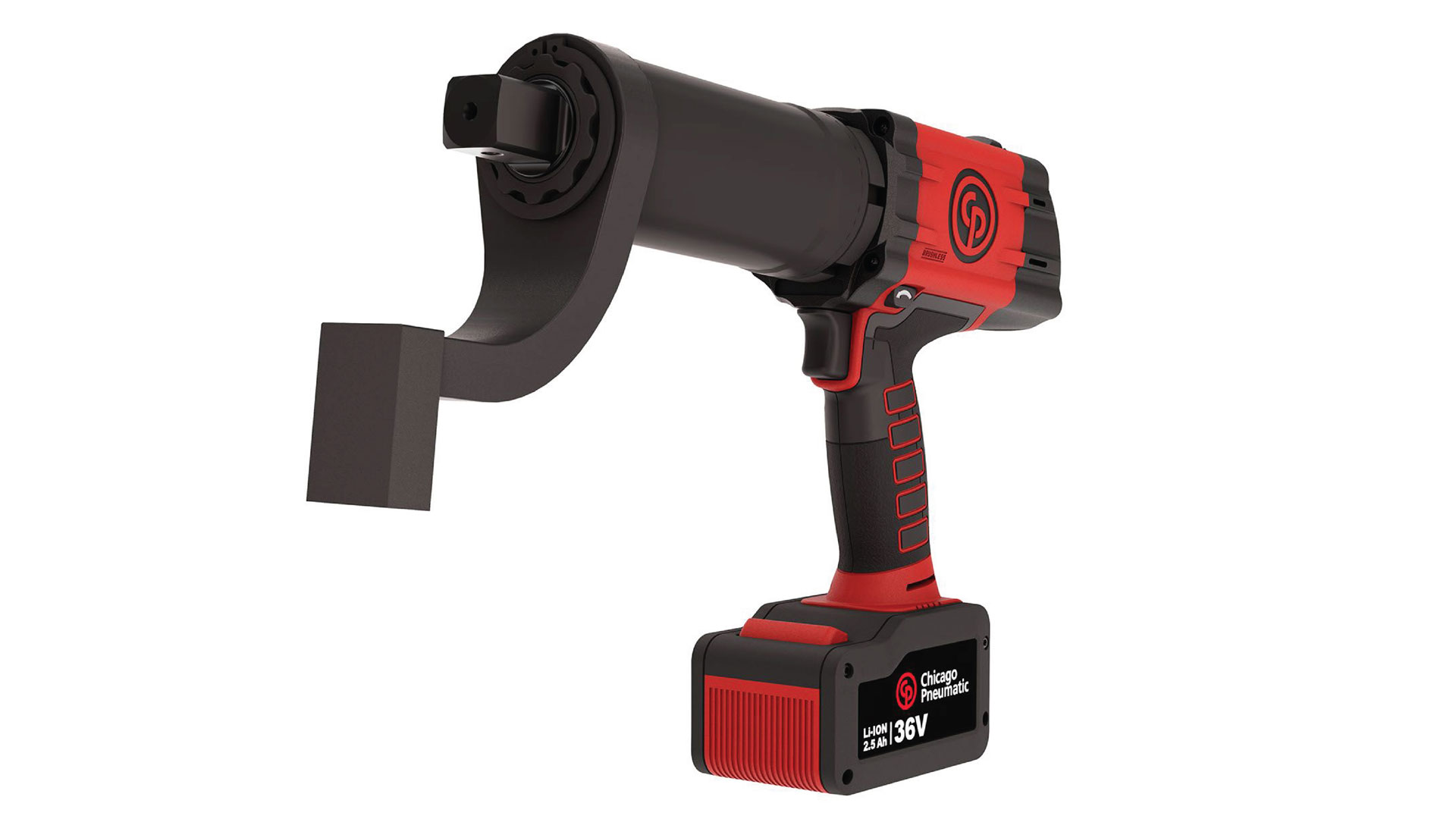
| Battery-Powered | Rechargeable battery | Mobile and portable applications |
Manual Torque Multipliers
Manual torque multipliers rely entirely on user input, which the planetary gear system amplifies. They are compact, lightweight, and require no external power source, making them ideal for fieldwork or locations without access to electricity or compressed air.
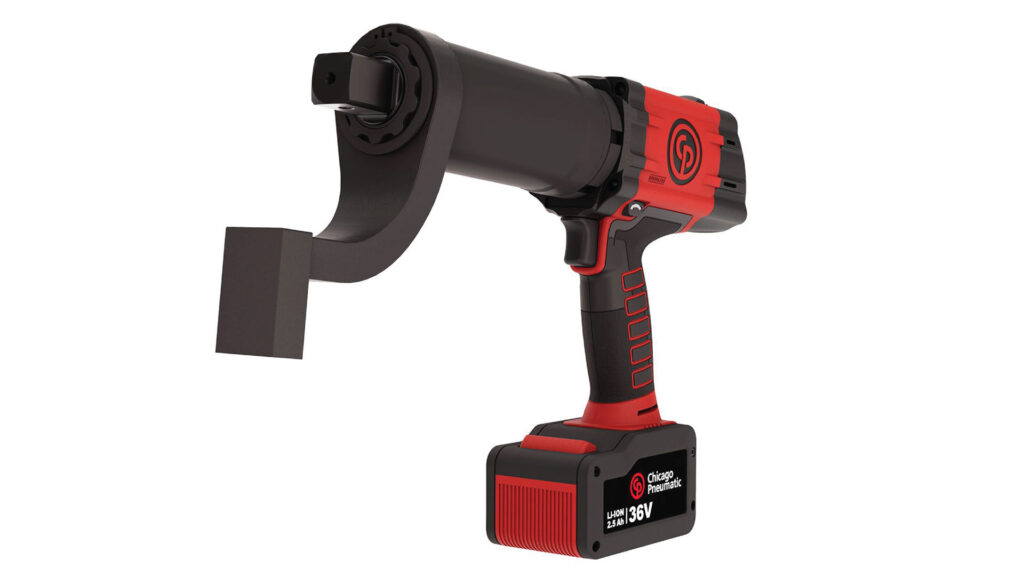
Pneumatic Torque Multipliers
Compressed air powers pneumatic torque multipliers. Industries and automotive shops use them widely when speed and high torque output are critical.
They do, however, require a reliable compressed air supply, which may limit their use in certain environments.
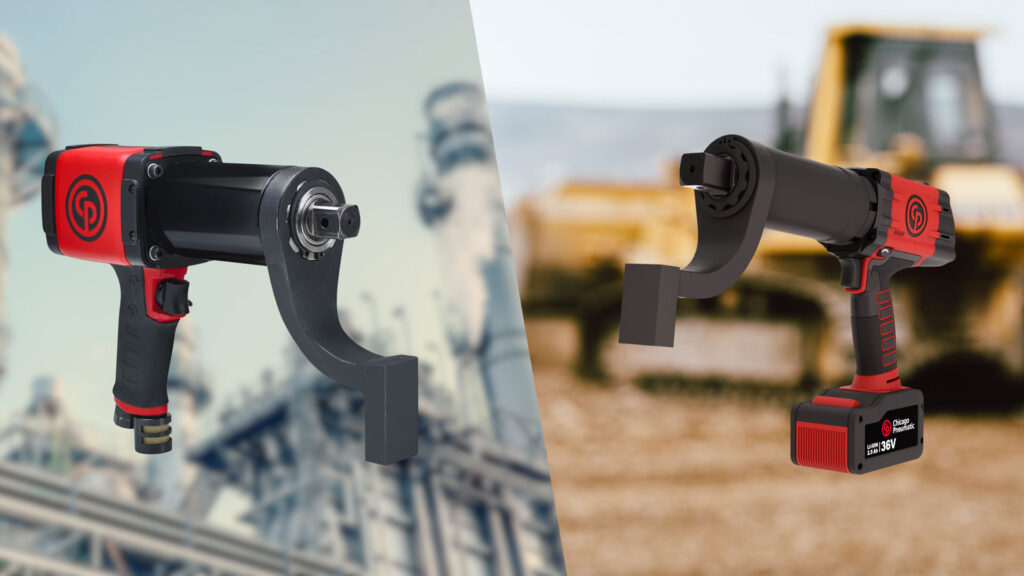
Battery-Powered Torque Multipliers
Battery-powered torque multipliers deliver the power of a motorized tool without an air supply or power cord. They are highly portable and increasingly popular in industries where mobility is essential.
Modern battery-powered models can deliver impressive torque while maintaining accuracy and control.
How Do You Choose the Right Torque Multiplier Wrenches?
Selecting the right torque multiplier comes down to four key factors:
- Torque Requirements: Identify the maximum torque specification required for your application. Choose a multiplier whose output capacity meets or exceeds that requirement, with some margin for safety.
- Torque Ratio: Match the tool’s gear ratio to your input capability and the torque output you need. A higher ratio means greater output but may require more setup time.
- Power Source: Consider your working environment. For field or remote work, a manual or battery-powered model makes more sense. For shop or industrial settings, a pneumatic model may be more efficient.
- Accuracy and Certification: For precision-critical applications, choose a tool with documented accuracy ratings and, where required, one that meets industry calibration standards.
How Do You Use Torque Wrench Multipliers?
Using a torque multiplier wrench correctly ensures both safety and accurate results. Follow these steps every time:
- Verify Specifications: Confirm the fastener’s required torque and calculate the correct input torque using your multiplier’s gear ratio.
- Secure the Reaction Arm: Brace it against a solid, fixed surface. Never allow it to rest against soft or unstable surfaces, as this can cause the tool to slip and result in injury.
- Attach the Tool Correctly: Connect the torque wrench to the input drive and the correct socket to the output drive. Ensure all connections are secure before applying force.
- Apply Force Smoothly: Apply torque slowly and steadily. Avoid sudden jerks or excessive force, which can compromise accuracy and damage the tool or fastener.
- Verify the Result: After tightening, verify the torque value using an appropriate checking tool where accuracy is critical.
Safety Tips:
- Always wear appropriate personal protective equipment (PPE), including safety gloves and glasses.
- Never exceed the tool’s rated maximum torque capacity.
- Inspect the tool before each use for signs of damage or wear.
- Keep bystanders clear of the reaction arm area during operation.
How Do You Maintain a Torque Multiplier?
Proper maintenance extends the life of your torque multiplier and ensures consistent, accurate performance over time. Follow these practices:
- Cleaning: After each use, wipe down the tool with a clean cloth to remove dirt, grease, and debris. Avoid submerging the tool in cleaning solvents unless specifically approved by the manufacturer.
- Lubrication: Periodically lubricate the gear mechanism according to the manufacturer’s specifications. Proper lubrication reduces internal wear and ensures smooth operation.
- Inspection: Before each use, inspect the tool for cracks, worn gears, damaged drives, or a loose reaction arm. Remove any damaged tools from service immediately.
- Calibration: Have your torque multiplier professionally calibrated at regular intervals. Most manufacturers recommend annual calibration or after a specified number of operating cycles.
- Storage: Store the tool in a dry, clean environment away from extreme temperatures and moisture. Use the original case or a protective pouch to prevent damage during storage and transport.
Why Choose TorqLite for Your Torque Multiplier Needs?
When it comes to high-torque fastening, the stakes are too high to settle for anything less than proven performance. A torque multiplier is only as good as the engineering behind it, and that is where TorqLite stands apart.
For over 40 years, TorqLite has been designing and manufacturing industrial bolting systems that professionals trust in the most demanding environments. From automotive and construction to aerospace and oil and gas,
TorqLite products can deliver accurate, consistent, and repeatable results every time. If precision, safety, and long-term performance matter to your operation, TorqLite is the bolting partner you can count on.
Explore TorqLite’s full range of torque multipliers and contact a TorqLite specialist today.
FAQs
Torque multipliers amplify the rotational force applied to a fastener, allowing users to achieve high torque outputs without excessive physical effort. They are essential tools for applications involving large or heavily torqued bolts and nuts.
Consider the required torque output, the gear ratio, the available power source, and the accuracy rating. If you are unsure which model fits your application, TorqLite specialists are available to help you make the right call.
A torque multiplier uses a planetary gear system to multiply the input force into a significantly higher output torque. This system consists of a central sun gear, several planet gears rotating around it, and an outer ring gear. When you apply force to the input, the planetary gears multiply it at the output, delivering significantly higher torque with the same effort.
Most quality torque multipliers offer an accuracy rating of ±3% to ±4% of the indicated torque value. Premium models, like those in the TorqLite lineup, used in aerospace or safety-critical industries may achieve even tighter tolerances.
The three main types are manual, pneumatic, and battery-powered torque multipliers, each suited to different environments and torque requirements.
Regular maintenance includes cleaning after use, lubricating the gear mechanism, inspecting for damage, storing properly, and scheduling periodic professional calibration.
The torque ratio is the factor by which the tool multiplies the input torque. For example, a torque multiplier with a 4:1 ratio means that for every 100 ft-lb of force you apply at the input, 400 ft-lb is delivered at the output. Ratios typically range from 3:1 to 125:1.
Yes. Attaching a torque wrench to the input drive of a torque multiplier is a common and effective way to achieve precise, high-torque fastening. Always factor in the gear ratio when setting the input torque on your wrench.